
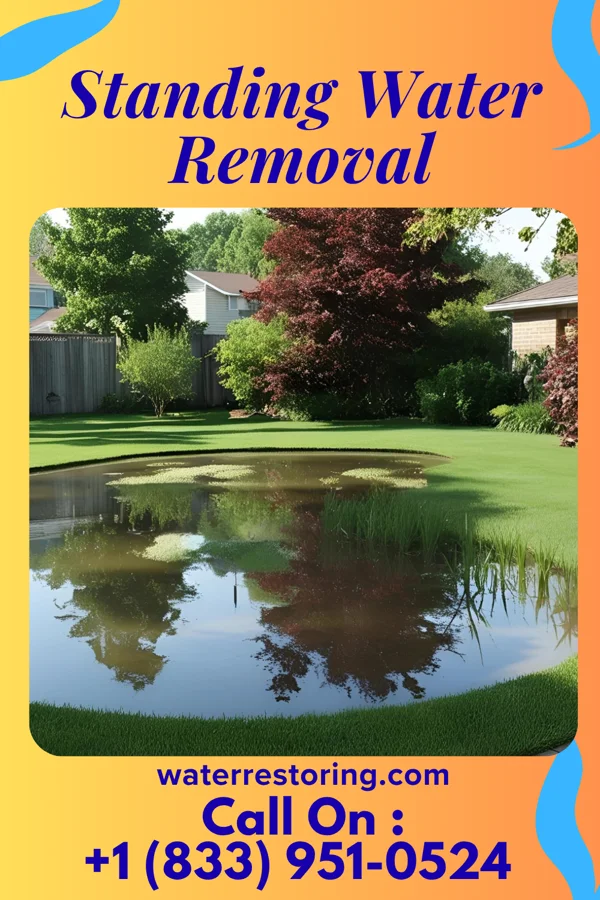
What Makes St. Donatus Standing-Water-Prone
Living in St. Donatus means dealing with In St. Donatus, Iowa, the primary water damage cause is often due to sudden plumbing failures, such as burst pipes or leaking water heaters, especially during colder months when frozen pipes are more common. Additionally, localized flooding from nearby rivers or heavy rainfall can lead to significant water intrusion in homes and businesses. sooner or later. A close second is Secondary causes include groundwater seepage through basements, especially in older homes with poor drainage, and water damage from roof leaks caused by storm damage or aging roofing materials. Sudden power outages can also lead to water damage from appliances or HVAC systems malfunctioning.. The good news: water damage is fully recoverable when you catch it fast and bring in certified technicians.
St. Donatus experiences a humid continental climate with cold winters and warm summers, increasing the risk of frozen pipes and condensation. Spring thaw and heavy rainfall can also lead to localized flooding, making water damage a year-round concern.
Most standing water removal calls in St. Donatus come from In St. Donatus, Iowa, the primary water damage cause is often due to sudden plumbing failures, such as burst pipes or leaking water heaters, especially during colder months when frozen pipes are more common. Additionally, localized flooding from nearby rivers or heavy rainfall can lead to significant water intrusion in homes and businesses.. Running a close second is Secondary causes include groundwater seepage through basements, especially in older homes with poor drainage, and water damage from roof leaks caused by storm damage or aging roofing materials. Sudden power outages can also lead to water damage from appliances or HVAC systems malfunctioning.. Local mold risk: Mold growth can occur within 48 hours of water exposure in St. Donatus, Iowa, especially in humid environments like basements or crawl spaces. Prompt water extraction and drying are critical to prevent mold spread and long-term structural damage.